Why do we need to remove carbon dioxide from the air?
Major scientific assessments on how to avoid the worst impacts of climate change,
including
those from the Intergovernmental Panel on Climate Change (IPCC), conclude that meeting
Paris
Agreement climate objectives will require billions of tonnes of carbon dioxide removal
(CDR).
You can read the full IPCC Summary here.
Is Carbon Engineering's technology being deployed at scale today?
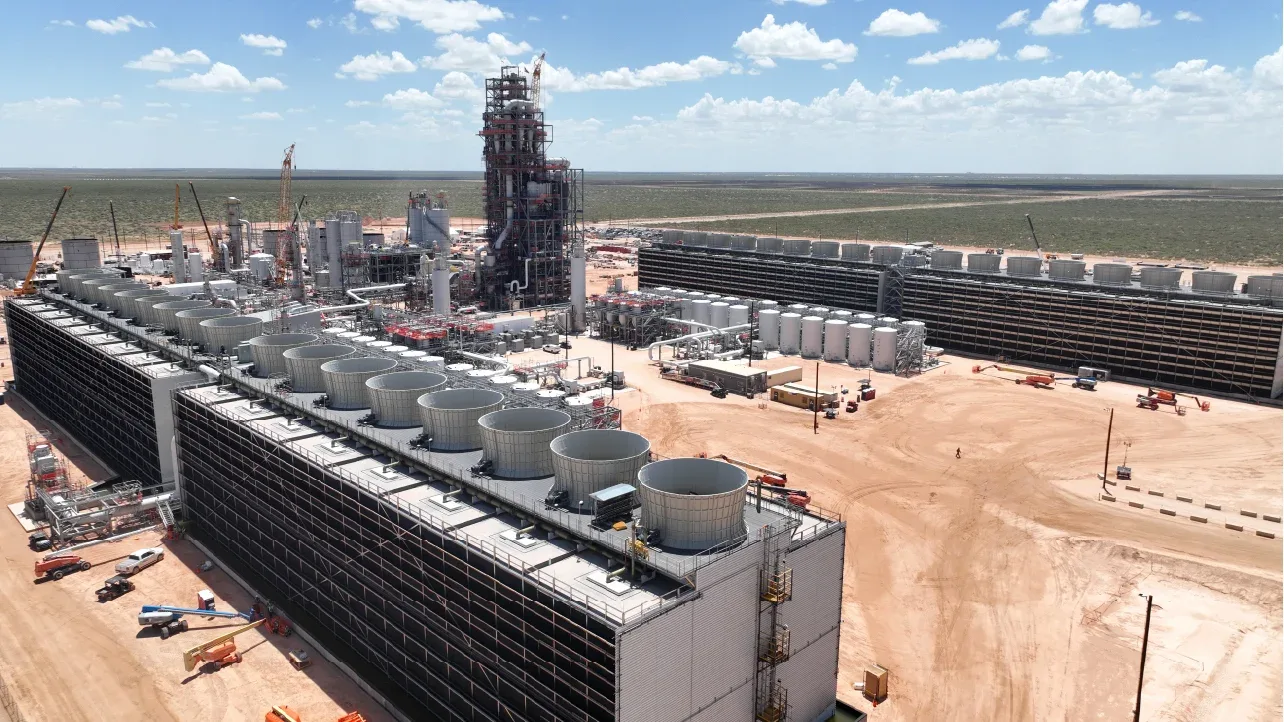
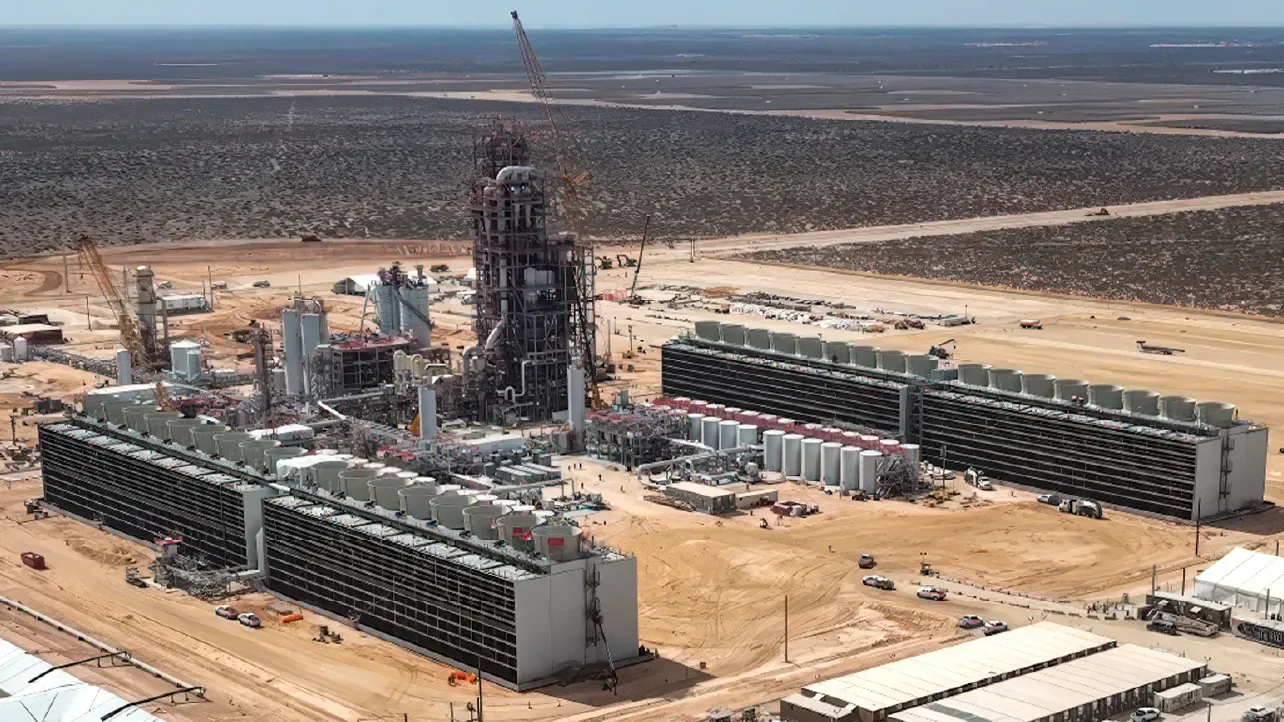
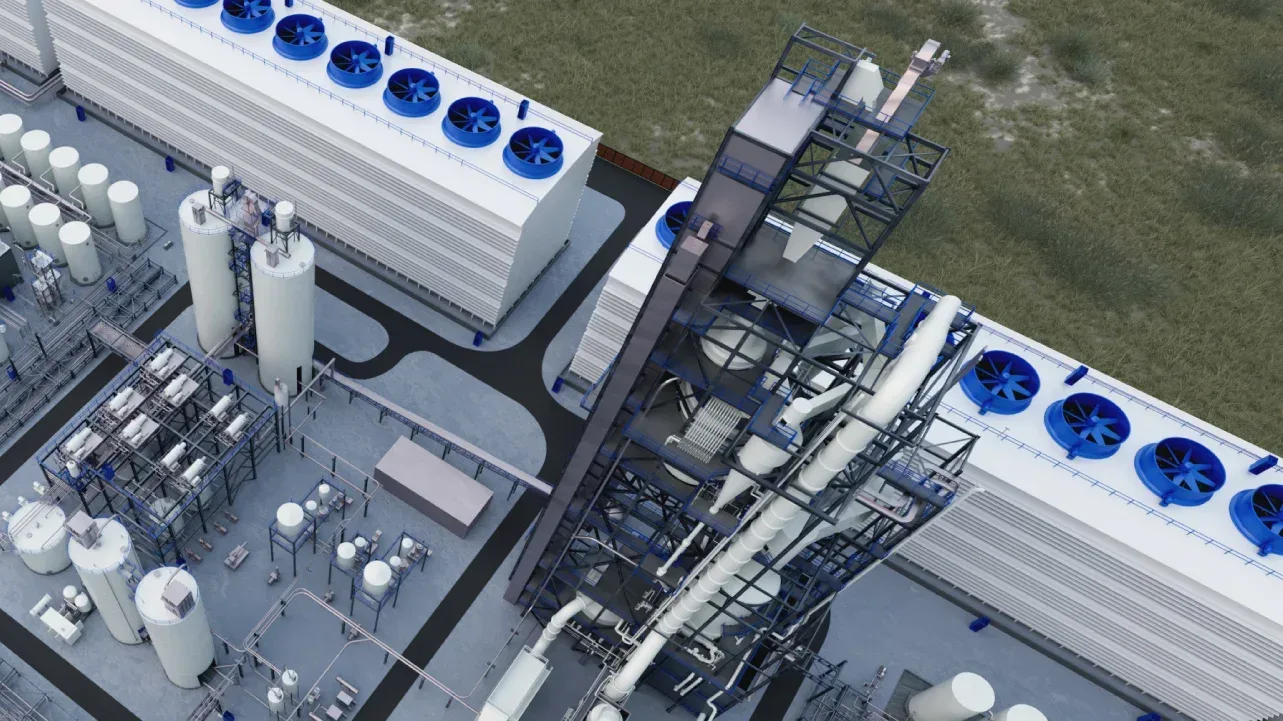
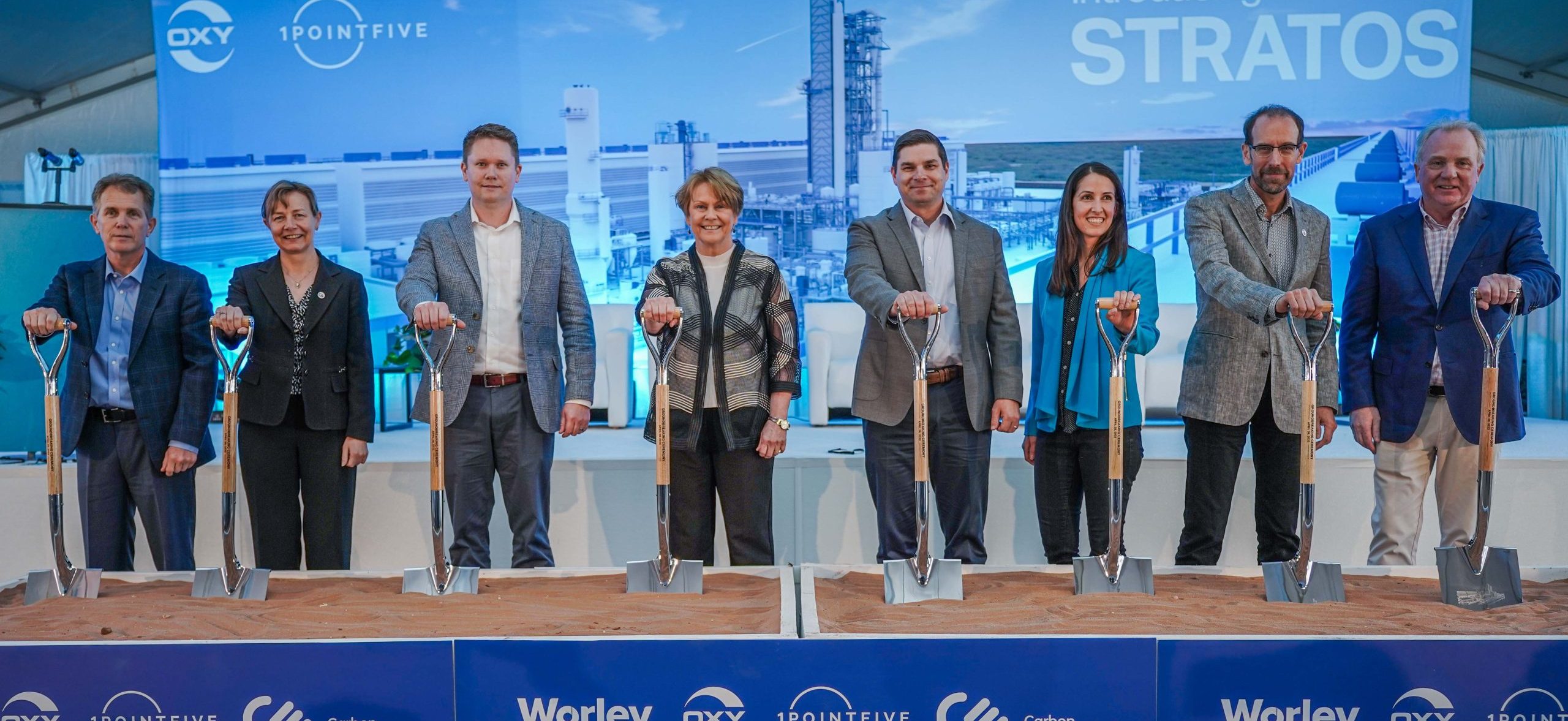
Yes. The first commercial facility to use CE's technology, named STRATOS, is being
developed
by 1PointFive in Ector County, Texas. The plant is expected to capture up to 500,000
tonnes
of CO2 annually, once fully operational, which will make it the largest DAC
facility in
the
world. Learn more here.
How much CO2 do you capture from your facilities in Squamish?
CE first demonstrated key elements of our solution in 2015 from our Squamish-based pilot,
which was designed as a proof of concept and testing facility. Today, we continue to
develop our DAC technology at the neighbouring Innovation Centre – which was built in
2021 and functions as CE’s home for continued research and development.
The facility operates using a run-replace-run system - meaning the team continuously
identifies possible improvements, introduces adjustments, and conducts testing to
analyze new equipment and components. The objective of its operation is to enable CE to
refine its CO2 capturing technology, it is not intended to capture CO2 for end
use or
sequestration.
Why is Carbon Engineering still developing the technology if commercial projects are already
deployed?
There are significant opportunities to further optimize the process to best serve
region-specific contexts and conditions, including climate, energy inputs, and facility
size. Developing a portfolio of complementary large-scale Direct Air Capture solutions
requires a comprehensive technology development approach, with each research pathway helping
to improve efficiency, drive innovation, expand optionality for deployment and bring the
cost of capture down at an accelerated rate.
We continue to work closely with a global network of industry partners, research
institutions, vendors and developers. Most recently, CE welcomed DAC technology developer,
Holocene, to our collective team.
Is geologic storage of carbon dioxide safe?
Geologic storage, also known as carbon sequestration, is a form of storing CO2 deep
underground. It is a well-established practice that is highly engineered and strictly
regulated, and has been in commercial operation for decades.
We're working with Occidental and 1PointFive for commercial Direct Air Capture and
sequestration projects, leveraging 50+ years of carbon management and safe CO2 injection
experience. Learn more at www.1pointfive.com/geologic-sequestration.
How does Oxy's Enhanced Oil Recovery – or EOR – align with Carbon Engineering's mission?
Enhanced oil recovery is the process of injecting CO2 into oil reservoirs to
produce
additional crude from existing wells. It's extensively used in several crude producing
regions such as the Permian Basin in Texas.
When the CO₂ used in the EOR process has been removed from the atmosphere using DAC
technology, the process essentially takes carbon from the atmosphere and puts it
underground, offsetting the carbon contained in the resulting oil. If the amount of
CO2 injected and stored is equal to the amount emitted when the oil is produced,
refined and
used, the full process is carbon neutral. If more CO2 is injected than what is
produced, the
process can produce fuels for transportation while also generating net negative emissions.
Are removals delivered using Carbon Engineering's technology certified by a 3rd party?
Credit certification is performed at a commercial project level through independent
verification and validation organizations. For example, 1PointFive is working with Verra as
the registry selected to deliver the resulting CDR credits from STRATOS, the first
commercial facility to use CE's technology.
Is Carbon Engineering still working on low carbon fuels?
Atmospheric CO2 captured using CE's DAC technology can be used in several low
carbon
pathways, flexible to market signals. When combined with clean hydrogen, the CO2 can be used
as a feedstock to produce synthetic transportation fuels, like Sustainable Aviation Fuel.
Carbon Engineering first produced low carbon fuels in 2017.
Today, our focus is on deploying DAC at commercial scale paired with geologic sequestration
while key inputs, like hydrogen, descend the cost curve alongside our DAC technology.
I'd love to see your Innovation Centre or new Technology Development Campus in Squamish. Can I
visit for a tour?
While we appreciate the interest, Carbon Engineering does not provide tours to the public.
The Innovation Centre is our current headquarters for research and development, with plans
to complement operations at the new Technology Development Campus along Queens Way, which is
currently in development.